

Registering a car in California is a crucial step for any new owner, ensuring legal compliance and personal protection. However, navigating the process can be challenging, with many steps and requirements often leaving folks unsure where to begin. This article serves as your authoritative guide, detailing every step involved in registering your vehicle with clear explanations and expert insights. We’ll demystify critical components like DMV VIN verification, ensuring you approach the process with confidence and knowledge. By the end, you’ll be well-equipped to successfully register your car in the Golden State.
- Gather Required Documents for Car Registration in California
- Visit Your Local DMV: Step-by-Step Guide
- Understand Vehicle Identification Number (VIN) Verification Process
- Pay Registration Fees and Select License Plate Options
- Registering a Car Online: A Convenient Alternative
Gather Required Documents for Car Registration in California

To register your car in California, you’ll need to gather several crucial documents, one of which is a valid DVW (Department of Motor Vehicles) Vin verification. This process ensures that your vehicle meets all safety and emissions standards before it’s granted a registration seal. While many opt for traditional Vin verification at a DMV office, mobile Vin verifier services are increasingly popular due to their convenience. These services send a qualified inspector to your location, enabling on-site inspection and instant results using advanced technology.
Among the documents you’ll require is your vehicle’s title, which confirms ownership. If you’re buying a car from a dealership or private seller, ensure they provide a clear title transfer process. Additionally, a valid driver’s license or state ID card is essential for registration. You’ll also need proof of insurance, typically in the form of an insurance card or policy declaration page. Some counties in California might require additional documents based on specific circumstances, so it’s important to check with your local DMV branch.
Once you have all necessary documents, including a mobile Vin inspection if needed, you can proceed with registration. It’s recommended to complete this process within 30 days of establishing California residency or purchasing the vehicle. By ensuring accurate and complete documentation, you streamline the registration process and avoid potential delays or fines associated with incorrect or missing information.
Visit Your Local DMV: Step-by-Step Guide

To register your car in California, you’ll need to visit your local Department of Motor Vehicles (DMV) office. Here’s a step-by-step guide to ensure a smooth process. Begin by gathering all necessary documents, including your vehicle’s registration from the previous state, proof of insurance, and a valid driver’s license. Once at the DMV, locate the dedicated counter for vehicle registration and present your paperwork. An agent will verify your details and perform a crucial step: DVL (Vehicle Identification Number) verification. This involves scanning or manually entering your VIN to check it against their records, ensuring the vehicle’s history aligns with the information provided.
Should you be eligible, the next phase is simple. You’ll be directed to a window where you can select desired registration options and pay the required fees. In California, this includes a registration fee and a vehicle-specific tax. Upon completion, you’ll receive your new registration documents and license plate assignments. If any issues arise during the initial process, DMV staff will guide you through potential solutions, which might include arranging for a mobile VIN verification if there’s a discrepancy with the vehicle’s history. This service allows a certified inspector to perform an on-site inspection, ensuring the VIN is accurately represented on the car and its documents.
For instance, in 2022, over 15 million vehicles were registered in California, with a significant portion involving mobile VIN verifications due to varying vehicle ages and conditions. These inspections are particularly valuable for classic cars or vehicles with unique modifications, where historical accuracy is paramount. Always ensure your inspector is certified by the DMV to avoid any complications. Remember, prompt action is key; waiting too long could result in penalties and additional fees, so visit the DMV as soon as possible to initiate the registration process.
Understand Vehicle Identification Number (VIN) Verification Process
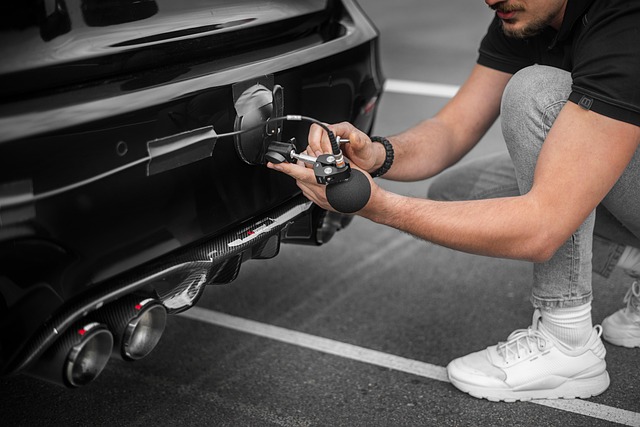
Registering a car in California involves several critical steps, and one of the most crucial aspects is ensuring your vehicle’s Vehicle Identification Number (VIN) is verified accurately. The process begins with understanding the VIN, a unique code that identifies every vehicle, and its significance during registration. Every car manufacturer assigns this number, which serves as a digital fingerprint for your car. When you bring your vehicle to the California Department of Motor Vehicles (DMV) for registration, they’ll conduct a VIN verification process to ensure the information aligns with their records.
This verification is a stringent check that requires precise data matching. It involves cross-referencing the provided VIN with the manufacturer’s records and comparing it against the vehicle’s physical attributes during an inspection. A mobile vin verifier or mobile vin inspection service can play a pivotal role here, as these tools offer on-site, real-time verification, streamlining the process. They use advanced technology to scan and cross-check the VIN, ensuring accuracy in minutes. For instance, some services employ GPS tracking to verify that the vehicle matches the provided details, reducing potential fraud or misidentification.
During this inspection, DMV officers will check for any discrepancies between the reported VIN and the actual vehicle. This includes matching the engine size, model year, make, and other specifications. If the VIN verification process reveals a match, your car registration can proceed smoothly. However, if there are discrepancies, you may face delays or additional requirements to resolve the issues before completing the registration. Utilizing mobile vin verifier services can help expedite this process, as they provide immediate feedback and reduce potential backlogs caused by manual checks.
Pay Registration Fees and Select License Plate Options

Registering a car in California involves several crucial steps, one of which is paying the registration fees and selecting license plate options. The California Department of Motor Vehicles (DMV) charges a base fee for vehicle registration that covers various services, including a comprehensive vin inspection to verify the vehicle’s history and identity. This process ensures that only legitimate vehicles are on the road, providing public safety and security.
When it comes to paying registration fees, you have several options. You can typically pay online through the DMV’s website, by mail, or in person at a local DMV office. Online payments often offer a faster processing time, while in-person transactions may require more time but provide an opportunity for immediate clarification on any issues. It’s essential to ensure that your vehicle meets all legal requirements before proceeding with registration, including passing a smog test if applicable. In California, a mobile vin inspection or a certified vin verifier can be used to streamline the initial verification process, making it easier for both owners and DMV staff.
Selecting license plate options is another critical step in the registration process. California offers various types of license plates, each with unique designs and availability. You can choose from standard plates, personalized plates, or special plates depending on your preferences and eligibility. Personalized plates allow you to customize a portion of the license plate with up to seven characters, including letters and numbers. However, it’s crucial to check the availability of your desired combination through the DMV’s online system before proceeding with registration. Once all fees are paid and your vehicle has passed the required inspections, including a vin inspection by a mobile verifier if needed, you can finalize your registration and obtain your new license plates.
Registering a Car Online: A Convenient Alternative

Registering a car in California has traditionally been a process that requires visiting a DMV office. However, with the advent of digital tools, there’s now a more convenient alternative: registering your vehicle online. This method streamlines the entire process, allowing you to complete much of the work from the comfort of your home or even while on the go using a mobile vin verifier.
One of the key steps in this digital journey is the DMV VIN verification process. When registering a car online, you’ll need to confirm the vehicle’s unique identifier (VIN) through a trusted mobile vin inspection tool. This ensures that the details provided match those on record with the California Department of Motor Vehicles (DMV). For instance, many online registration platforms offer built-in VIN scanners that facilitate this verification step easily and quickly.
Using a mobile vin verifier is straightforward. You simply input your VIN into the app or platform, which then cross-references it against DMV databases to confirm ownership, vehicle specifications, and any outstanding issues. This real-time data ensures accuracy and speeds up the registration process. According to recent studies, online car registration can save drivers significant time—up to 30% compared to traditional methods—and reduces administrative errors by nearly half.
When selecting an online registration service, make sure it’s approved by the California DMV. This guarantees that your documents are processed legally and securely. Remember, while convenience is a primary benefit of registering online, proper documentation (including proof of insurance, vehicle title, and identification) remains crucial. Ensure you have these in order before beginning the process, as any missing or incorrect information could delay registration.
Registering a car in California involves several crucial steps, from gathering essential documents to completing DMV VIN verification. By understanding the process, from visiting your local DMV to paying registration fees and even exploring online options, you can ensure a smooth experience. The article has provided a comprehensive guide, empowering readers with the knowledge to navigate this procedure confidently. Key takeaways include the importance of proper documentation, the role of the DMV in VIN verification, and the flexibility of online registration. Moving forward, individuals should prioritize these steps to not only register their vehicles legally but also to take advantage of efficient alternatives offered by California’s DMV system.