

Registering a car in California is a vital step for any new owner, ensuring legal compliance and access to roads. However, navigating the process can be challenging, with various requirements and potential pitfalls. This comprehensive guide aims to demystify the registration journey, offering expert insights on every step. From gathering essential documents to understanding fee structures, we’ll walk you through the entire process. Moreover, we’ll emphasize the critical role of Vehicle Identification Number (VIN) verification in ensuring a smooth registration experience, a step often overlooked yet crucial for security and accuracy.
- Gather Required Documents for Car Registration
- Prepare for Vehicle Identification Number (VIN) Verification
- Choose an Appropriate California Car Registration Class
- Submit Your Application and Wait for Processing
- Register Your Car and Obtain Necessary Plates
Gather Required Documents for Car Registration

Registering a car in California involves a meticulous process, and one of the critical steps is ensuring you have all the necessary documents. This phase requires careful preparation to avoid delays or complications down the line. The primary identifier for any vehicle, including those in California, is the Vehicle Identification Number (VIN). It’s crucial to initiate your registration journey with accurate VIN verification, a process that establishes the car’s authenticity and history. Consider employing a mobile VIN verifier, which can be a convenient tool for this initial step.
Gathering documents for car registration in California encompasses several key elements. Firstly, you’ll need the vehicle’s title, which certifies ownership and is typically issued by the previous owner or dealer. This document is essential for establishing your legal right to register the car. Additionally, a current, valid registration from the state where the vehicle was previously registered is necessary. This step ensures that the vehicle has met all the safety and environmental standards required by California. Next, proof of insurance is mandatory, demonstrating financial responsibility and protecting both you and other drivers on the road.
The process also demands a completed Vehicle Registration Application form, which can be obtained from the California Department of Motor Vehicles (DMV). Filling this out accurately requires meticulous attention to detail, especially when inputting your vehicle’s VIN during the application. It’s at this stage that a mobile VIN inspection or verification becomes invaluable, ensuring all information is correct and up-to-date before submitting your application. Remember, accuracy in these documents is paramount to a smooth registration process.
Prepare for Vehicle Identification Number (VIN) Verification
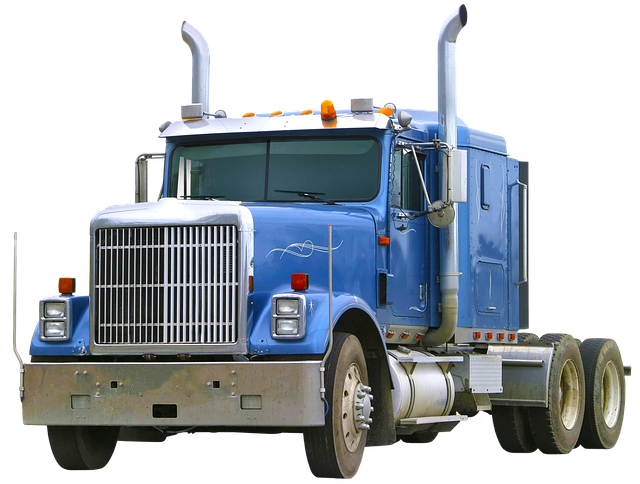
Before registering your car in California, preparing for Vehicle Identification Number (VIN) verification is a crucial step in the process. This involves ensuring that all the information associated with your vehicle matches and is accurate. The state of California requires a VIN inspection to verify the identity and history of the vehicle, which helps prevent fraud and ensures safety standards. During this inspection, a professional will examine the VIN plate, typically located on the driver’s side of the dashboard or on the vehicle’s chassis, to cross-reference it with data in various databases. This includes checking for any prior accidents, outstanding loans, or reported thefts, which could impact your registration and insurance eligibility.
For convenience, many California residents opt for mobile VIN inspection services that come to their location. These services employ trained professionals who can conduct a thorough VIN verification using specialized tools and software. For instance, a 2015 study by the California Department of Motor Vehicles (DMV) revealed that over 80% of vehicle registration issues could be resolved through early detection and correction based on accurate VIN data, emphasizing the importance of this step. By availing of mobile VIN verification services, you can save time, avoid potential delays at DMV offices, and rest assured that your vehicle’s history is clean.
To ensure a smooth process, gather all necessary documents related to your vehicle before scheduling a VIN inspection. This includes the title, registration, and insurance papers. Additionally, have your vehicle’s service records handy as they provide valuable insights into maintenance and repairs, further bolstering the accuracy of your VIN data. Remember, a well-prepared vehicle owner can streamline the registration process and avoid unnecessary complications.
Choose an Appropriate California Car Registration Class

Choosing the right California car registration class is a crucial step in ensuring your vehicle complies with state regulations. California offers several classes designed to cater to different types of vehicles, each with its own set of requirements and benefits. Understanding these classifications is essential for a smooth registration process. For instance, while a standard passenger car may fall under Class A or B, a classic vehicle could qualify for an Historic Vehicle Registration, which has specific criteria related to age and preservation.
The California Department of Motor Vehicles (DMV) recommends conducting a VIN verification as the first step, especially with modern vehicles. A mobile VIN verifier can streamline this process by allowing inspections at your convenience. This is particularly beneficial when dealing with rare or custom-built cars that might require additional documentation to prove their authenticity and compliance. A study showed that accurate VIN inspection reduces registration delays caused by paperwork errors.
Within the classes, further distinctions are made based on fuel type, cargo capacity, and vehicle weight. For example, Class C vehicles include vans and small trucks, while Class D covers larger trucks and buses. Each class has specific emissions and safety standards that must be met. It’s advisable to consult the DMV’s guidelines or seek expert advice to ensure your vehicle falls within the appropriate category, avoiding potential penalties for incorrect classification. Regularly updating your registration, especially after modifications, is key to maintaining legal compliance.
Submit Your Application and Wait for Processing
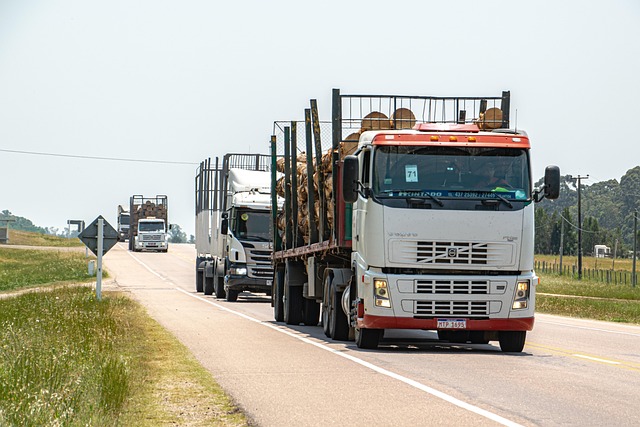
After gathering all the necessary documents and ensuring your car meets California’s registration requirements, it’s time to submit your application. This step is crucial for formally establishing ownership and legalizing your vehicle on California roads. You can choose to register your car online through the California Department of Motor Vehicles (DMV) website or in person at a local DMV field office.
Submitting your application involves filling out Form DV-140, which is the Application for Title and Registration. Here, you’ll provide detailed information about your vehicle, including its make, model, year, and unique Vehicle Identification Number (VIN). It’s essential to ensure the VIN accuracy during this process, as it serves as a critical identifier for your car. Consider utilizing mobile VIN inspection or verification services to streamline this step, especially if you’re dealing with an older vehicle or one that has undergone significant modifications. These services can quickly validate the VIN and provide peace of mind before submitting your application.
Once submitted, the DMV will process your application, which typically takes around 10-20 business days. During this period, they’ll verify all provided information, conduct a background check, and ensure compliance with California’s vehicle standards, including safety and emission regulations. If everything is in order, you’ll receive your car’s registration certificate and license plates. However, if there are any discrepancies or issues identified during VIN verification (a critical step in the process), the DMV may request additional documents or even deny the application, delaying registration. Therefore, it’s beneficial to double-check all details and consider mobile VIN services for a seamless experience.
Register Your Car and Obtain Necessary Plates
Registering your car in California involves several crucial steps, with careful attention required at each turn. Once you’ve purchased your vehicle, the first step is to ensure proper documentation. This includes verifying the Vehicle Identification Number (VIN) to prevent fraud or theft. A mobile VIN verifier can be a convenient tool for this initial inspection, allowing you to confirm the vehicle’s history and specifications before proceeding with registration.
The next logical step is to bring your car and necessary documents to a California Department of Motor Vehicles (DMV) office. Here, you’ll need to complete an application form, providing detailed information about your vehicle. This process involves entering your VIN again for record-keeping purposes, ensuring accurate data entry to avoid future complications. It’s during this stage that the DMV will conduct a thorough inspection of your car, including checking for any outstanding warrants or violations linked to the vehicle.
Upon successful completion of the application and inspection, you’ll be issued registration documents and license plates. The DMV will also provide instructions on how to display these plates on your vehicle. It’s important to note that plate fees vary depending on your vehicle’s type and age in California. Additionally, regular VIN inspections, sometimes conducted by mobile VIN verification services, are recommended to ensure the continued accuracy of your car’s registration details and to maintain a clean driving record.
By meticulously gathering the necessary documents, preparing for crucial VIN verification, selecting the right California car registration class, submitting your application, and waiting for processing, you can successfully register your vehicle in California. Additionally, registering your car and obtaining the required plates ensures compliance with state regulations and facilitates smooth road operations. This comprehensive guide equips you with the knowledge to navigate the process effortlessly, ensuring a seamless transition for your newly registered California vehicle.