

Registering a car in California is more than just a bureaucratic formality; it’s a crucial step for any vehicle owner, ensuring legal compliance and personal protection. However, navigating the process can be daunting, given the stringent requirements and complex procedures involved. This authoritative guide aims to demystify the car registration process, offering step-by-step instructions tailored to California’s unique regulations. We’ll delve into every detail, from gathering essential documents to the critical role of DMV VIN verification, ensuring you’re equipped with the knowledge to efficiently and accurately register your vehicle.
- Understand California Car Registration Requirements
- Gather Necessary Documents for DMV VIN Verification
- Prepare Your Vehicle for Inspection and Registration
- Submit Applications and Fees at a California DMV Office
- Register Your Vehicle Online Using DMV Services
Understand California Car Registration Requirements

In California, registering a car involves understanding specific requirements set by the Department of Motor Vehicles (DMV). The process is designed to ensure vehicle safety and roadworthiness, with a key component being the DMV VIN verification. This step ensures that the vehicle’s unique identification number (VIN) matches the details on record, preventing fraud and ensuring compliance. A mobile VIN verifier or inspector can facilitate this process by performing on-site checks, making registration more accessible, especially for those in remote areas or with limited mobility.
One of the primary requirements is ensuring the vehicle meets safety standards, including emission controls and crashworthiness features. California has stringent environmental regulations, mandating emissions testing for most vehicles. Additionally, owners must update their registration every year, often requiring a trip to a DMV field office or using an online renewal system. It’s crucial to keep all vehicle documents, including proof of insurance, up-to-date during the registration process.
For classic cars or vehicles with unique historical significance, there may be special considerations. These vehicles might qualify for historic plate programs, offering reduced fees and simplified registration processes. A mobile VIN inspection can play a vital role here, as it allows experts to verify the authenticity of such vehicles without requiring them to travel long distances. By employing these modern verification methods, California’s DMV ensures that all registered vehicles meet current safety and environmental standards while accommodating the diverse needs of its residents.
Gather Necessary Documents for DMV VIN Verification

To register a car in California, you’ll need to gather several key documents for DMV VIN verification. This process is crucial to ensure your vehicle’s identity and history are accurately recorded. The California Department of Motor Vehicles (DMV) requires a Vehicle Identification Number (VIN) inspection to verify the authenticity of your car. One practical step is to obtain a mobile vin verifier or use an app that facilitates mobile vin verification, which can streamline this process by providing instant, digital records of your vehicle’s history.
Essential documents include your vehicle’s registration certificate from its previous state, a valid driver’s license, proof of insurance, and a completed DMV Form 46 (Vehicle Registration Application). It’s also crucial to have the most recent emissions test results if applicable. Additionally, some documentation may be required for out-of-state transfers or if there are any title issues. For instance, if the vehicle has been in an accident, a repair estimate or damage report might be needed.
A common pitfall is failing to bring all necessary documents, which can delay the registration process. Therefore, it’s advisable to create a checklist of required items before visiting the DMV. Using a mobile vin verifier during this phase ensures that you have accurate and readily accessible records of your vehicle’s history, making the verification process quicker and more efficient. This is especially beneficial in California, where the high volume of vehicles requires a meticulous and swift registration system.
Prepare Your Vehicle for Inspection and Registration
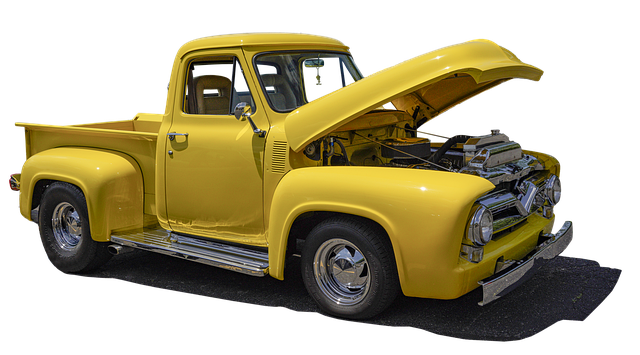
Before you can register your car in California, your vehicle must pass an inspection to ensure it meets safety and emissions standards. This process involves a thorough examination of various components, including lights, brakes, tires, and emissions systems. One crucial step is ensuring that your Vehicle Identification Number (VIN) is accurately recorded and verified by the California Department of Motor Vehicles (DMV). A common method for convenience and accuracy is through mobile VIN inspection or verification services, which allow you to complete this task from the comfort of your home or workplace.
To prepare, gather all necessary documents related to your vehicle, such as the title and any previous registration records. Check that your vehicle’s mileage is accurate, as DMV vin verification often requires this information. Keep in mind that certain types of vehicles might require additional inspections, like classic cars or those with modified engines. It’s advisable to check the specific guidelines on the DMV website before scheduling an appointment. Many mobile VIN inspection services can also provide on-site assessments if needed, ensuring a seamless and efficient process.
By taking care of these initial preparations, you’re well on your way to a smooth registration experience. The next steps involve visiting a California DMV office or using their online services to officially register your vehicle, which will then be sealed with a fresh set of license plates. This meticulous process ensures that only safe and compliant vehicles take to California’s roads, enhancing overall public safety.
Submit Applications and Fees at a California DMV Office

To complete your car registration in California, you’ll need to submit essential documents and fees at a DMV office. This process involves several crucial steps, including ensuring your vehicle’s Vehicle Identification Number (VIN) is verified by the California Department of Motor Vehicles (DMV). A common and convenient method for VIN verification is through mobile vin inspection or mobile vin verifier services, which offer on-site or remote checks to confirm your car’s authenticity.
When you visit a DMV office, be prepared with your vehicle’s registration papers, proof of insurance, and identification documents. The staff will guide you through the process, which includes filling out forms and submitting required fees. One of the key steps is having a qualified inspector perform a mobile vin inspection to ensure the VIN on your car matches the one recorded in the DMV database. This verification protects against fraud and ensures only legitimate vehicles are registered.
If discrepancies are found during the dmv vin verification process, you may need to address them promptly. Common issues include incorrect VINs, outstanding warrants, or issues with the vehicle’s history. Utilizing mobile vin verifier services can expedite this process by providing immediate feedback and enabling you to resolve problems before completing registration. Remember, accuracy is essential to ensure your car remains legally registered and roadworthy.
Register Your Vehicle Online Using DMV Services

Registering your car in California just got easier with the option to complete the process online through the Department of Motor Vehicles (DMV). This digital transformation streamlines the traditional registration experience, saving you time and effort. One of the key innovations is the integration of DMV VIN verification, ensuring a secure and efficient way to confirm vehicle identity.
The online system allows you to initiate the registration from anywhere, at any time, using your computer or even a mobile device. The process begins with inputting your Vehicle Identification Number (VIN). This unique 17-character code is your car’s fingerprint and plays a crucial role in the verification process. Here’s where a mobile VIN verifier can be particularly handy; these apps allow you to quickly and accurately capture your VIN, eliminating any potential errors during data entry. Once submitted, the DMV conducts a thorough check against their databases, including cross-referencing with historical records and running a vehicle history report. This rigorous dmv vin verification ensures that your car is both authentic and free from any outstanding issues.
By opting for online registration, you can bypass long DMV lines and avoid the hassle of gathering physical documents. The entire procedure, including mobile VIN inspection tools, is designed to simplify what was once a complex task. According to recent data, over 70% of California residents now choose the digital route, highlighting its popularity and efficiency. Embracing these modern solutions not only saves time but also contributes to a smoother, more accessible DMV experience for all.
By following these steps—from understanding California’s car registration requirements to submitting applications at a DMV office or online—you can successfully navigate the process of registering your vehicle. Key insights include gathering necessary documents for DMV VIN verification, preparing your vehicle for inspection, and ensuring all required fees are paid. These practical next steps empower you to efficiently register your car, leveraging authoritative guidelines from California’s DMV services.