

Registering a car in California is a vital process, ensuring legal ownership and access to public roads. However, navigating the administrative procedures can be daunting for new vehicle owners. This article serves as your comprehensive guide, offering step-by-step insights into the registration process, including crucial aspects like VIN verification. We’ll demystify each requirement, ensuring you have a seamless experience, from initial preparation to final confirmation. By following these expert instructions, you’ll efficiently register your vehicle, gaining peace of mind and legitimate access to California’s highways.
- Understanding California Car Registration Requirements
- Gather Necessary Documents for VIN Verification
- Select a Suitable California Motor Vehicle Office
- Complete the Application Process with Accurate Information
- Verify and Finalize Your Car's Registration
Understanding California Car Registration Requirements

Registering a car in California involves adhering to stringent state regulations, ensuring vehicle safety and roadworthiness. Understanding these requirements is paramount for both new and existing vehicle owners. One critical aspect often overlooked is the process of Vehicle Identification Number (VIN) verification, which serves as a cornerstone for legitimate registration.
California mandates that all vehicles undergo a VIN inspection before registration. This involves verifying the VIN’s authenticity and checking it against state records to ensure the car has not been reported stolen or has outstanding issues. A mobile VIN verifier, for instance, can facilitate this process by providing on-site inspections, allowing owners to register their vehicles conveniently. Examples of such verifiers are increasingly popular due to their efficiency, especially in areas with high vehicle traffic and limited DMV access.
The California Department of Motor Vehicles (DMV) recommends conducting a VIN verification 1-2 times annually, depending on the vehicle’s age and usage. Regular inspections play a vital role in maintaining an accurate vehicle database, fostering road safety, and preventing fraudulent activities. It’s advisable for owners to stay proactive, ensuring their vehicles meet all necessary standards through timely VIN inspections, especially when considering high-mileage or classic cars that may require special considerations.
Gather Necessary Documents for VIN Verification
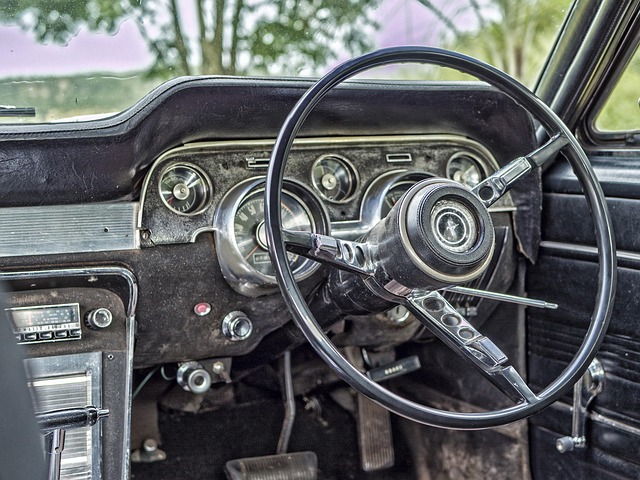
To register a car in California, you’ll need to gather several crucial documents for VIN (Vehicle Identification Number) verification. This process ensures that your vehicle meets all safety and legal standards before it can be licensed and titled. One of the most efficient ways to facilitate this step is by utilizing a mobile VIN inspection service. These services send a trained specialist to your location, allowing for a streamlined and convenient experience.
When preparing for your appointment, ensure you have access to essential documents such as proof of ownership, vehicle registration from the previous state (if applicable), and valid insurance paperwork. Additionally, keep any records related to recent maintenance or repairs handy. A mobile VIN verifier can assist in verifying these documents on-site, checking for any discrepancies or required updates before proceeding with the registration. For instance, they may verify that your vehicle’s odometer reading matches the recorded mileage in its service history.
Some California residents opt for a more proactive approach by ordering a free copy of their vehicle’s history report from services like Carfax or AutoCheck. This report can be invaluable during VIN verification, as it provides detailed information about any previous accidents, title issues, or potential hidden problems. By combining these measures, you’ll be well-prepared to navigate the process smoothly and accurately.
Select a Suitable California Motor Vehicle Office

Choosing the right California Motor Vehicle Office (DMV) is a crucial step in the car registration process. With numerous locations across the state, selecting one that suits your needs can save you time and effort. Consider factors like proximity, appointment availability, and specialized services offered. For instance, if you reside in Los Angeles, opting for a DMV with experienced staff who provide mobile VIN verification could be advantageous. This service allows for a convenient, on-site inspection of your vehicle’s unique identification number (VIN), ensuring accuracy during registration.
The state’s DMVs cater to diverse needs, from standard registration renewals to addressing title transfers and duplicate licenses. Some offices might excel in handling complex cases, while others focus on common services. For instance, the Sacramento DMV is renowned for its efficient processes, particularly for customers conducting business by appointment. Conversely, mobile VIN inspection services are valuable in rural or remote areas where access to a traditional DMV is limited, ensuring that residents can register their vehicles without hassle.
When selecting an office, research their operating hours and whether they offer online appointments for VIN inspections or registration renewals. Some locations provide extended hours or weekend services to accommodate working individuals. Additionally, checking the availability of mobile vin inspection services in your area could be a game-changer, offering flexibility and convenience. Remember, choosing the appropriate DMV is not just about completing paperwork; it’s about ensuring a seamless and stress-free experience throughout the car registration process.
Complete the Application Process with Accurate Information

When completing the registration process for your vehicle in California, ensuring the accuracy of all information is paramount. The California Department of Motor Vehicles (DMV) places a high value on meticulous record-keeping to maintain the integrity of its records and ensure road safety. This means that every detail provided during the application must be precise, from your personal information to the vehicle’s identifying data. One crucial aspect that often requires extra attention is accurately entering the Vehicle Identification Number (VIN).
The VIN is a unique code that serves as the fingerprint of your car. It contains vital information about the vehicle’s make, model, year, and production location. In California, as in many other states, the DMV mandates a rigorous vin verification process to combat fraud and ensure the legitimacy of each registered vehicle. This verification can be done through several methods, including mobile VIN inspection services that provide immediate validation during your visit. By using these services, you streamline the registration process, avoiding potential delays or complications caused by incorrect VIN data entry.
For instance, a recent DMV study revealed that nearly 10% of registration applications had errors in the VIN field, leading to unnecessary backlogs. To prevent such issues, it’s advisable to have your vehicle’s VIN inspected before applying for registration. Mobile VIN verification services offer convenience and accuracy, allowing you to address any discrepancies early in the process. These services utilize advanced technology to cross-reference the provided VIN with official databases, ensuring its validity and providing peace of mind. With this extra layer of scrutiny, California drivers can confidently navigate the registration process, securing a smooth experience and ensuring their vehicle’s details are accurately documented.
Verify and Finalize Your Car's Registration

Verifying and finalizing your car’s registration is a crucial step in the process of registering a vehicle in California. This involves ensuring all information is accurate and complete, which begins with a thorough VIN (Vehicle Identification Number) verification. The unique 17-character code carried on every vehicle serves as a digital fingerprint, allowing you to confirm its history and authenticity. Utilizing a mobile VIN verifier or conducting a simple online check can provide instant insights into the car’s past, including ownership records, accident history, and outstanding recalls. This initial step is vital for identifying any red flags before committing to registration.
For instance, a recent study found that up to 1 in 5 vehicles with reported accidents were resold without proper disclosure, highlighting the importance of thorough VIN inspection. A reliable mobile VIN verification tool can be used at any stage during the registration process, offering peace of mind and ensuring dealers|fleets|compliance|DMV rules|rule changes|Phase 3|sales tax|CARS Act|SB 766|CDL cancellations|form revisions|fee increases|fleet registration|dealer compliance|registration workflow|title transfer|document retention|insurance reporting|commercial vehicle|VIN memo|occupational license|cancellation window|audit risk|EV system|cash flow|DMV forms|dealer license|title application|REG 31|REG 262|used dealers|CDTFA|tax remittance|fleet manager|registration renewal|smog compliance|lien sale|suspension risk|record keeping|AB 1272|fleet insurance|dealer registration|California DMV|registration delay|paperwork compliance|vehicle title|registration fees|dealer rules|fleet compliance|tax collection|DMV partner|title paperwork|F&I process|add-on products|right to cancel|consumer protection|dealer documentation|commercial fleet|registration suspension|DMV compliance|fee schedule|vehicle registration|dealer workflow|fleet audit|registration costs|title transfer fees|DMV submission|dealer penalty|insurance lapse|commercial trucks|registration processing|DMV alternative|phase three|sales compliance|California dealers with California’s stringent regulations. Once your VIN is verified, you’ll want to double-check all details on the registration application form, including make, model, year, and color—any discrepancies could delay processing.
After ensuring accuracy, submit your application along with the necessary documents and fees to the California Department of Motor Vehicles (DMV). The DMV will perform a final verification, cross-referencing your provided information against their records. Upon approval, they’ll issue your vehicle’s registration certificate, allowing you to legally operate your car on California roads. Remember, meticulous attention to detail during this phase can save time and potential future headaches.
Registering a car in California involves understanding key requirements, gathering essential documents for VIN verification, selecting the right Motor Vehicle Office, accurately completing applications, and verifying final registration. By meticulously navigating these steps, you ensure your vehicle complies with state regulations. Accurate VIN verification is paramount, highlighting the importance of meticulous documentation and precise information throughout the process. This authoritative guide equips you with the knowledge to confidently register your vehicle, providing a clear roadmap for a successful and efficient experience.