

Registering a car in California is a necessary step for any new vehicle owner, yet the process can be complex and time-consuming. Many individuals find themselves navigating through confusing procedures, facing administrative hurdles, and questioning the importance of each step. This article serves as your authoritative guide to demystifying this crucial task, ensuring a smooth and stress-free experience. We’ll break down the entire registration process, from gathering essential documents to understanding fees, and even highlight the critical role of DMV VIN verification in confirming your vehicle’s authenticity.
- Gather Necessary Documents for DMV Registration
- Prepare Your Vehicle for Inspection and Title Transfer
- Perform a Comprehensive Vehicle Identification Number (VIN) Verification
- Complete the California Car Registration Application Process
- Submit and Track Your Car Registration with DMV Updates
Gather Necessary Documents for DMV Registration

Registering a car in California involves a meticulous process, and one of the critical steps is gathering all the essential documents for DMV registration. This phase demands careful preparation to ensure a seamless experience when visiting the Department of Motor Vehicles (DMV). A common and crucial document required during this process is a valid Vehicle Identification Number (VIN) inspection or verification. The VIN, often described as the vehicle’s unique fingerprint, is a 17-character code that provides detailed information about your car’s history.
In California, you may opt for traditional vin inspection services or consider mobile vin inspection options. Mobile verifiers offer convenience by coming to your location, which can be particularly beneficial for those with busy schedules or limited mobility. These professionals use specialized equipment to conduct a thorough VIN inspection and verification, ensuring the data’s accuracy. This step is vital as it helps prevent fraud, ensures vehicle history transparency, and plays a significant role in the DMV registration process. For instance, if you’re importing a car into California, a mobile vin verifier can facilitate this process by providing instant, reliable data to the DMV.
When preparing for your DMV visit, ensure all documents are up-to-date and accurate. This includes the vehicle’s title, registration papers, insurance information, and, crucially, the VIN inspection report. Having these documents readily available can significantly expedite the registration process. Remember, the goal is to provide the DMV with comprehensive, correct data, ensuring a smooth transition for your vehicle’s official registration.
Prepare Your Vehicle for Inspection and Title Transfer
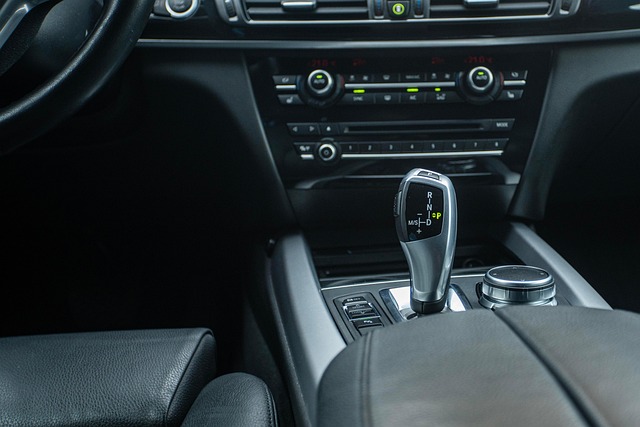
Before registering your car in California, ensuring your vehicle is prepared for inspection is a crucial step in the process. This involves a thorough check to verify its condition and identity, which is why understanding how to prepare for the DMV VIN verification process is essential. The California Department of Motor Vehicles (DMV) requires a Vehicle Identification Number (VIN) inspection to confirm the vehicle’s authenticity and ensure it meets safety standards. This step can be seamlessly completed with the assistance of a mobile VIN inspection service, allowing you convenience and efficiency.
During the preparation phase, gather all necessary documents related to your vehicle, including the title, registration papers, and insurance information. It is also recommended to have your vehicle’s service records readily available. The DMV will require these documents to conduct a comprehensive check. One of the key aspects of this process involves verifying the VIN, which uniquely identifies your car. Mobile VIN verifiers can play a significant role here by offering on-site inspections and instant digital reports, ensuring a smooth transition for both owners and DMV officials. These services utilize advanced technology to cross-reference the provided VIN with reliable databases, delivering accurate information quickly.
For instance, consider a scenario where a California resident is transferring ownership of their vehicle. They can facilitate this process by employing a mobile VIN inspection service to verify the car’s VIN before visiting the DMV. This not only saves time but also ensures that all documentation is in order, enhancing the overall efficiency of the registration procedure. By embracing modern solutions like mobile VIN verification, you can make the task of registering your car in California less daunting and more accessible.
Perform a Comprehensive Vehicle Identification Number (VIN) Verification

Performing a comprehensive Vehicle Identification Number (VIN) verification is a critical step in the car registration process in California. This meticulous process ensures that the vehicle in question is genuine and has not been reported as stolen or had its identification parts altered. The California Department of Motor Vehicles (DMV) requires this VIN verification as part of its rigorous registration procedures, underscoring the importance of maintaining a robust and secure vehicle registration system.
The process typically involves a dual approach: a written record of the VIN and a physical inspection. For a mobile VIN verification, many California DMV locations now offer this service, where a trained official uses specialized equipment to cross-reference the VIN against state and national databases. Alternatively, a vin inspection can be conducted by an authorized third-party service, ensuring an unbiased assessment. This method is particularly valuable for vehicles that are not roadworthy, have had previous accidents, or exhibit signs of unusual modification.
During a VIN inspection, several key elements are scrutinized. These include the vehicle’s make, model, year, and other identifying characteristics. Moreover, the inspection verifies the integrity of the VIN itself, ensuring it hasn’t been tampered with or altered. In cases where discrepancies are found during a mobile vin verification or a third-party vin inspection, the DMV has the authority to deny registration or issue a repair order, emphasizing the need for accuracy. This stringent verification process is a critical safeguard to protect both vehicle owners and the broader community from fraud, theft, and unsafe vehicles on California’s roads.
Complete the California Car Registration Application Process

Registering a car in California involves several steps, with meticulous attention required to ensure compliance with state regulations. The California Car Registration Application process begins with gathering essential documents and completing necessary forms. This includes proof of ownership, vehicle identification number (VIN) verification, and documentation related to your auto insurance and driver’s license. Once you have these ready, visit the California Department of Motor Vehicles (DMV) website to access the online registration application or download and fill out a paper form.
A crucial aspect of this process is the DMV VIN verification. This involves confirming the accuracy of your vehicle’s VIN through official channels to ensure it matches the data on file. Many individuals opt for a mobile vin inspection or use a mobile vin verifier to streamline this step, as it offers convenience and saves time compared to visiting a DMV office. These services utilize advanced technology to perform a thorough and immediate VIN verification, enhancing efficiency in the registration process.
When completing your application, ensure accuracy in all details, including the vehicle’s make, model, year, and VIN. Cross-reference these with official records to avoid errors that could lead to delays or rejection. Additionally, keep your insurance card and proof of residency handy as supporting documents. After submitting your application, you’ll typically receive a registration confirmation within a few weeks, along with any necessary stickers or plates for your vehicle. Always double-check the accuracy of your registration details and keep them updated as required by California laws to avoid penalties.
Submit and Track Your Car Registration with DMV Updates

Registering a car in California involves several crucial steps, one of which is submitting and tracking your vehicle’s registration with the Department of Motor Vehicles (DMV). This process ensures that your vehicle meets all legal requirements for operation on California roads. A key component of this is accurate DMV VIN verification. The Vehicle Identification Number (VIN) serves as a unique fingerprint for your car, making it essential during registration and any subsequent transactions.
To streamline this process, consider leveraging mobile VIN inspection and verification services. These innovative solutions allow you to capture and submit your vehicle’s VIN digitally, reducing the need for physical visits to DMV offices. By utilizing these modern tools, you can save time, bypass potential delays caused by crowded DMV centers, and ensure that your registration data is accurately recorded. For instance, some mobile apps offer real-time updates on registration status, allowing you to monitor progress from the comfort of your home or office.
During the registration process, expect to undergo several verifications, including a DMV VIN verification. This step confirms the vehicle’s identity and history, which is crucial for preventing theft and ensuring compliance with environmental regulations. It’s important to provide accurate information throughout, as data discrepancies can lead to delays or even legal issues. For example, an outdated or incorrect VIN might cause problems when cross-referencing with state records. To avoid such issues, many services offer mobile VIN inspections that capture the most current and precise information directly from your vehicle’s onboard computer.
Regularly tracking and updating your car’s registration is vital for maintaining legal compliance. By embracing modern solutions like mobile VIN verification, you can ensure a smoother, more efficient process each time you register or renew your California vehicle’s registration. This proactive approach not only saves time but also safeguards against potential penalties associated with late or incomplete registrations.
By meticulously navigating each step outlined in this article—from gathering essential documents to completing the California car registration application process—you’ve empowered yourself with the knowledge required to successfully register your vehicle. The key insights include the paramount importance of accurate DMV VIN verification, ensuring your vehicle is ready for inspection and title transfer, and thoroughly understanding the required paperwork. Moving forward, remember that these processes are not just formalities but safeguards designed to protect both you as the owner and other California drivers on the road. Leveraging this authoritative guide, you’re now equipped to confidently register your car, adhering to California’s regulations with ease and precision.