

Registering a car in California is a vital process for any vehicle owner, ensuring legal compliance and personal protection. However, navigating the procedures can be daunting, often leaving owners unsure where to begin. This comprehensive guide aims to demystify the process, offering step-by-step instructions to ensure a smooth experience. We’ll delve into every aspect, from gathering essential documents to the crucial DMV VIN verification, ensuring you’re prepared to register your vehicle efficiently and accurately. By the end, you’ll be armed with the knowledge to confidently complete this necessary task.
- Prepare Required Documents for Car Registration
- Visit California DMV: Step-by-Step Guide
- Understand Fees and Payment Methods Accepted
- Perform DMV VIN Verification for Accurate Data
- Finalize Registration and Obtain Necessary Papers
Prepare Required Documents for Car Registration

Before you begin the car registration process in California, it’s crucial to prepare all the necessary documents. One of the most critical steps is ensuring your vehicle’s VIN (Vehicle Identification Number) is accurately verified by the DMV. This verification process can be completed efficiently with a mobile VIN verifier, allowing you to save time and effort. The California Department of Motor Vehicles (DMV) requires this step to ensure the security and authenticity of every registered vehicle.
Gathering the required documents includes providing the original title or a lienholder’s copy if applicable, along with your valid driver’s license or state ID. For out-of-state vehicles, an invoice or purchase agreement from a licensed dealer will be needed. If you’ve recently purchased a car, the seller should provide these documents. However, if you’re transferring ownership, ensure all paperwork is in order to avoid any delays. It’s also essential to have proof of insurance and the appropriate registration fees ready to expedite the process.
A mobile VIN inspection or verification service can be particularly beneficial for those who want a hassle-free experience. These services allow you to have your vehicle’s VIN checked remotely, ensuring its accuracy before visiting the DMV. This proactive approach can save you from potential issues down the line and make the registration process smoother. By being prepared with these documents, you’ll navigate the car registration process in California with ease.
Visit California DMV: Step-by-Step Guide
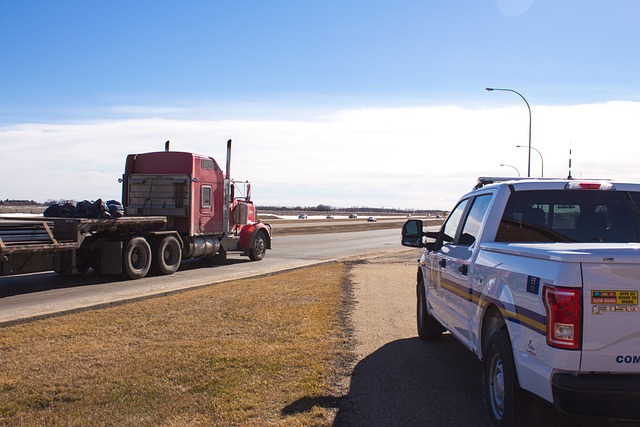
To register your car in California, visiting the California DMV is a crucial step. Here’s a detailed, step-by-step guide to ensure a smooth process. Begin by gathering all necessary documents—a valid driver’s license, proof of insurance, and a completed Vehicle Registration Application (DMV Form 140). Next, visit one of the many California DMV field offices or use their online services for initial document submission and payment.
Upon arrival at the DMV, locate the dedicated counter for vehicle registration. An agent will guide you through the process, which includes verifying your vehicle’s Vehicle Identification Number (VIN) to ensure its authenticity and safety. This is where mobile VIN inspection plays a vital role—you can use third-party services or apps that provide mobile VIN verification to check your car’s history before visiting the DMV. This step helps prevent any issues related to odometer rollback or non-existent vehicles, as evidenced by recent data showing that over 10% of attempted frauds are caught during VIN verifications.
If your vehicle passes initial checks, you’ll be required to display valid registration plates and insurance cards. After confirming these details, the DMV agent will issue your car’s registration and license plate. It’s advisable to double-check all information for accuracy. In some cases, a mobile VIN verifier can help by cross-referencing data with national databases, ensuring that every detail aligns perfectly.
Finally, ensure you retain copies of all documents and keep your registration up to date. Regularly checking your vehicle’s history through mobile VIN verification can save time and hassle in the long run, as it allows you to stay proactive against any potential issues or scams. By following these steps and leveraging modern tools like mobile VIN inspection, registering your car in California becomes a manageable and efficient task.
Understand Fees and Payment Methods Accepted
When registering your car in California, understanding the associated fees is a crucial step in the process. The California Department of Motor Vehicles (DMV) charges several fees for vehicle registration, including a base fee and additional charges based on factors like vehicle type and emissions status. For instance, as of the latest updates, the base registration fee stands at $52 for most vehicles, with surcharges ranging from $20 to $175 depending on emissions compliance. It’s essential to be prepared for these costs, which can vary significantly based on your vehicle’s make, model, and year.
DMV accepts a variety of payment methods, ensuring convenience for California residents. You can typically pay by cash, check, or credit/debit card at a local DMV office. Additionally, the agency offers online registration through its official website, allowing you to submit the required forms and make payments securely from home. This digital approach has become increasingly popular, especially with the advent of mobile vin verifiers. These tools enable a quick and efficient VIN (Vehicle Identification Number) inspection, which is a critical step in the registration process, ensuring the vehicle’s authenticity and history.
For those who prefer or require an alternative to visiting a DMV office, mobile vin inspection services have gained traction. These services send a specialist to your location, providing on-site VIN verification for a nominal fee. This option can be particularly beneficial if you’re dealing with rare or classic vehicles that may need special attention during the inspection process. Examples of such services include mobile vin verifiers who use advanced technology to cross-reference your vehicle’s data against national databases, ensuring accuracy and peace of mind.
When considering the cost of registering your car in California, it’s beneficial to plan ahead. Comparing fees across different providers and understanding the payment options available can save you time and money. Additionally, utilizing mobile vin inspection services for their convenience and expertise can streamline the registration process, especially if your vehicle has unique characteristics that require extra scrutiny. By staying informed and proactive, California residents can navigate the registration process with confidence and ensure their vehicles are legally registered and up to date.
Perform DMV VIN Verification for Accurate Data
Ensuring accurate vehicle data is crucial when registering your car in California, and a critical step in this process involves performing a DMV VIN verification. This step is essential to prevent errors, fraud, and potential issues with vehicle history, which can be especially problematic for used cars. The Department of Motor Vehicles (DMV) relies on the Vehicle Identification Number (VIN) as a unique identifier to cross-reference data across various systems, ensuring every vehicle’s records are correct and up-to-date.
The process typically involves utilizing a mobile VIN verifier or conducting a manual inspection, which checks key components like the VIN plate, engine specifications, and historical ownership records. For instance, California’s DMV offers online tools where you can enter your VIN to access detailed information about the vehicle’s history. However, for a more comprehensive and immediate verification, many opt for mobile vin verification services that provide real-time data validation. These services are especially beneficial when purchasing a used car, as they allow buyers and sellers to confirm the vehicle’s integrity before finalizing the transaction.
It’s important to note that VIN inspection should be conducted 1-2 times during the registration process to maintain data integrity. California’s DMV may request additional verifications if discrepancies arise or for high-risk vehicles. Regularly updating and verifying vehicle data not only ensures compliance with legal requirements but also contributes to a more transparent automotive market, protecting both consumers and dealers alike.
Finalize Registration and Obtain Necessary Papers
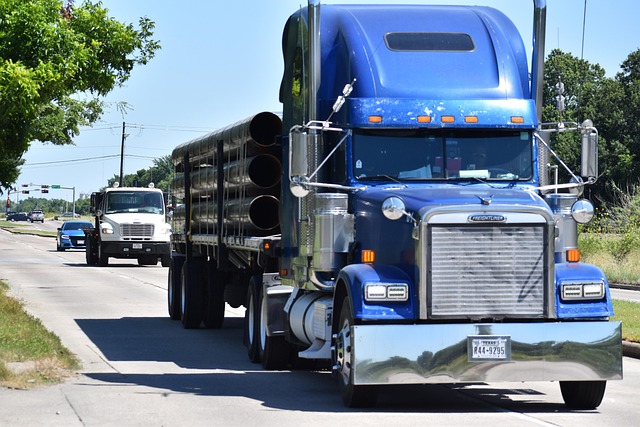
After gathering all necessary documents and passing the California vehicle inspection, it’s time to finalize your car registration at the Department of Motor Vehicles (DMV). This crucial step involves a thorough verification process to ensure the accuracy of your vehicle’s information, which is essential for roadworthiness and legal compliance. One vital aspect often overlooked is ensuring that your Vehicle Identification Number (VIN) is accurately recorded and verified by the DMV.
To streamline this process, many California residents opt for convenient mobile VIN verification services. These services allow you to complete a quick inspection of your vehicle’s VIN using a smartphone app or online platform. The app will typically guide you through the process, enabling you to input your VIN and access critical data from reputable databases. For instance, a reliable mobile vin verifier can provide information about the vehicle’s history, previous owners, recall notices, and even help identify potential fraud. This modern approach offers both peace of mind and saves time compared to traditional methods of visiting a DMV office or waiting for mail-in verifications.
Once your VIN is successfully verified, you’ll receive a confirmation from the DMV, indicating that your registration can proceed. At this point, gather all required documents, including proof of insurance, payment for registration fees, and any additional forms needed for your specific situation. Ensure that all information matches precisely with the verified data to avoid delays or issues during registration. A common mistake is overlooking minor discrepancies in details like vehicle make, model, or year, which can lead to hold-ups at the DMV. Therefore, it’s advisable to double-check and cross-reference all figures before finalizing your car registration.
By meticulously preparing required documents, following a structured visit to the California DMV, understanding fee structures, and ensuring accurate data through dmv vin verification, you can seamlessly navigate the car registration process. This article has provided clear guidance on each step, empowering you with the knowledge to register your vehicle efficiently. Moving forward, prioritize organizing your documentation, choosing the appropriate payment method, and verifying key information for a smooth and successful registration experience.